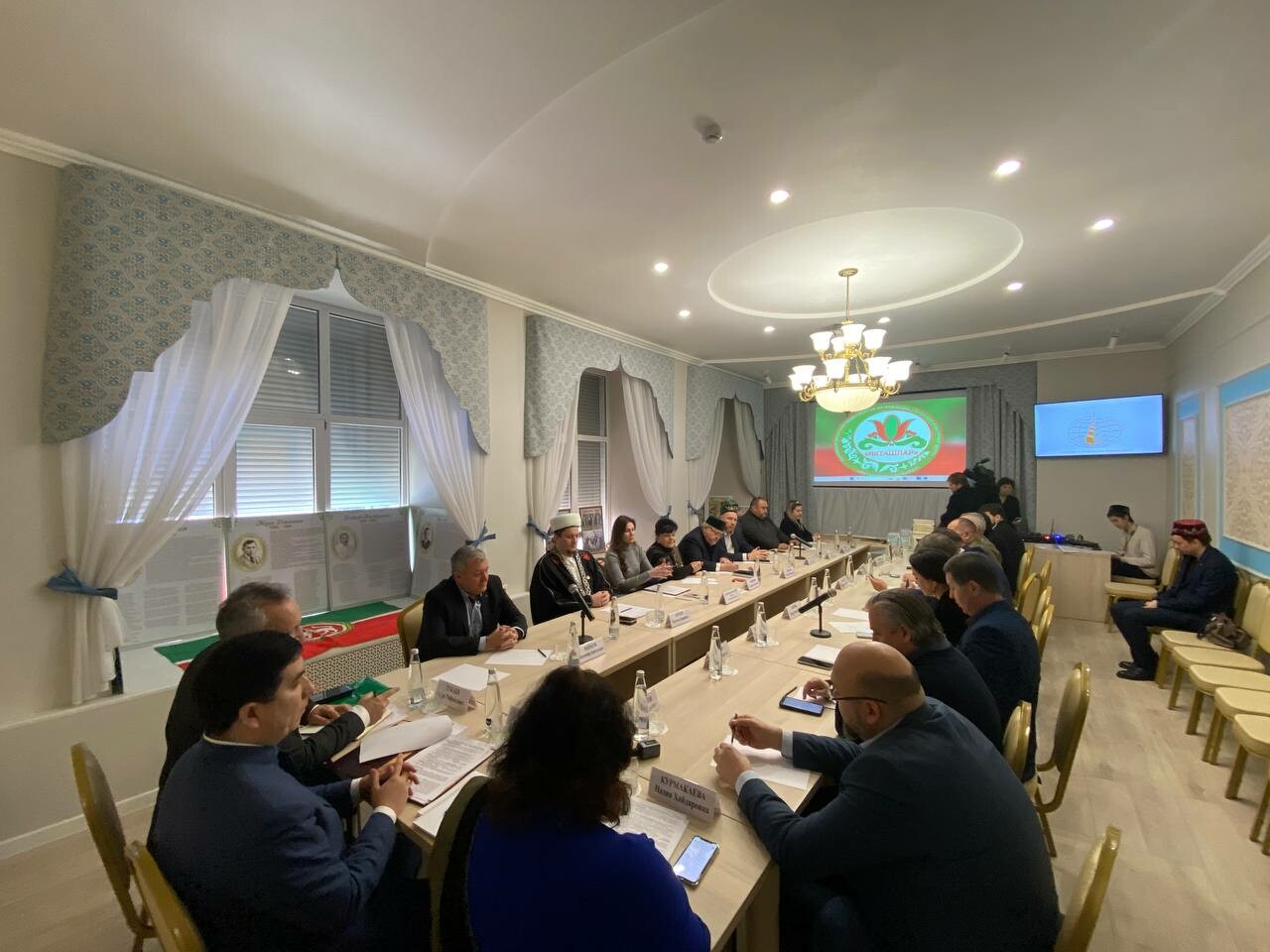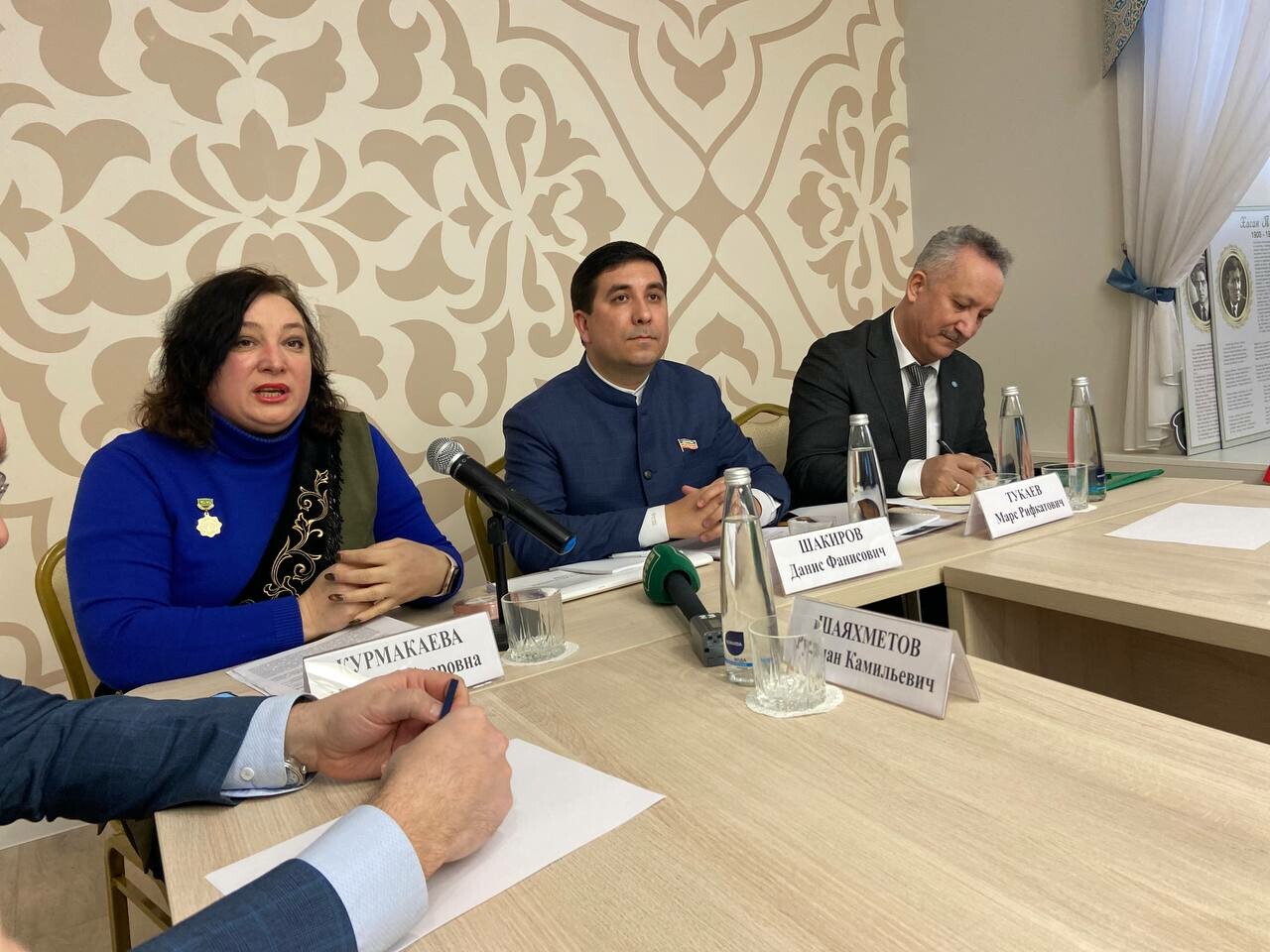
Danis Shakirov, Head of the Executive Committee of the World Congress of the Tatars, is on a working visit to Rostov Oblast. During his visit, a regional meeting of Tatar public organizations from the Southern and North Caucasian Federal Districts took place.
The key topic of the meeting was to review the work of the Executive Committee of the World Congress of the Tatars in 2025 and to discuss the activity plan and priority tasks for 2026. Representatives from the Republic of Tatarstan, including the leadership of the Executive Committee of the World Congress of the Tatars, participated in the meeting. Among them were Mars Tukaev, First Deputy Head of the Executive Committee, and Farhad Latypov, Deputy Head of the Executive Committee.
The meeting brought together participants from a wide geographic area: the Republic of Bashkortostan, the Republic of Adygea, Astrakhan, Volgograd, and Rostov Regions, Krasnodar Krai, the Republic of Crimea, and the Donetsk and Luhansk People’s Republics. Participants included heads of regional and city national-cultural autonomies, Tatar cultural and educational societies, religious organizations, and representatives of government authorities.
Following tradition, the meeting began with the recitation of verses from the Holy Quran and welcoming remarks. With a spiritual address to the participants, Muhammad Bikmaev, Chairman of the Central Religious Organization “Central Spiritual Administration of Muslims of Rostov Oblast”, spoke. Welcome words were also delivered by representatives of Rostov Oblast.
The opening speech was given by Danis Shakirov. He emphasized that such regional meetings, held by the World Congress of Tatars in all federal districts of Russia since 2018, serve as an important platform for exchanging experience, discussing pressing issues related to the preservation of the ethnocultural identity of the Tatar people, and developing joint solutions.
During the session, leaders and representatives of Tatar public organizations from various regions gave reports. In their speeches, they shared their experiences, highlighted existing challenges, and made proposals for further development of the Tatar public movement in the Southern and North Caucasian Federal Districts.
Participants exchanged experiences, identified key issues, and formulated recommendations for the further development of the Tatar public movement. As a result of the regional meeting, the main directions of work for 2026 were determined.