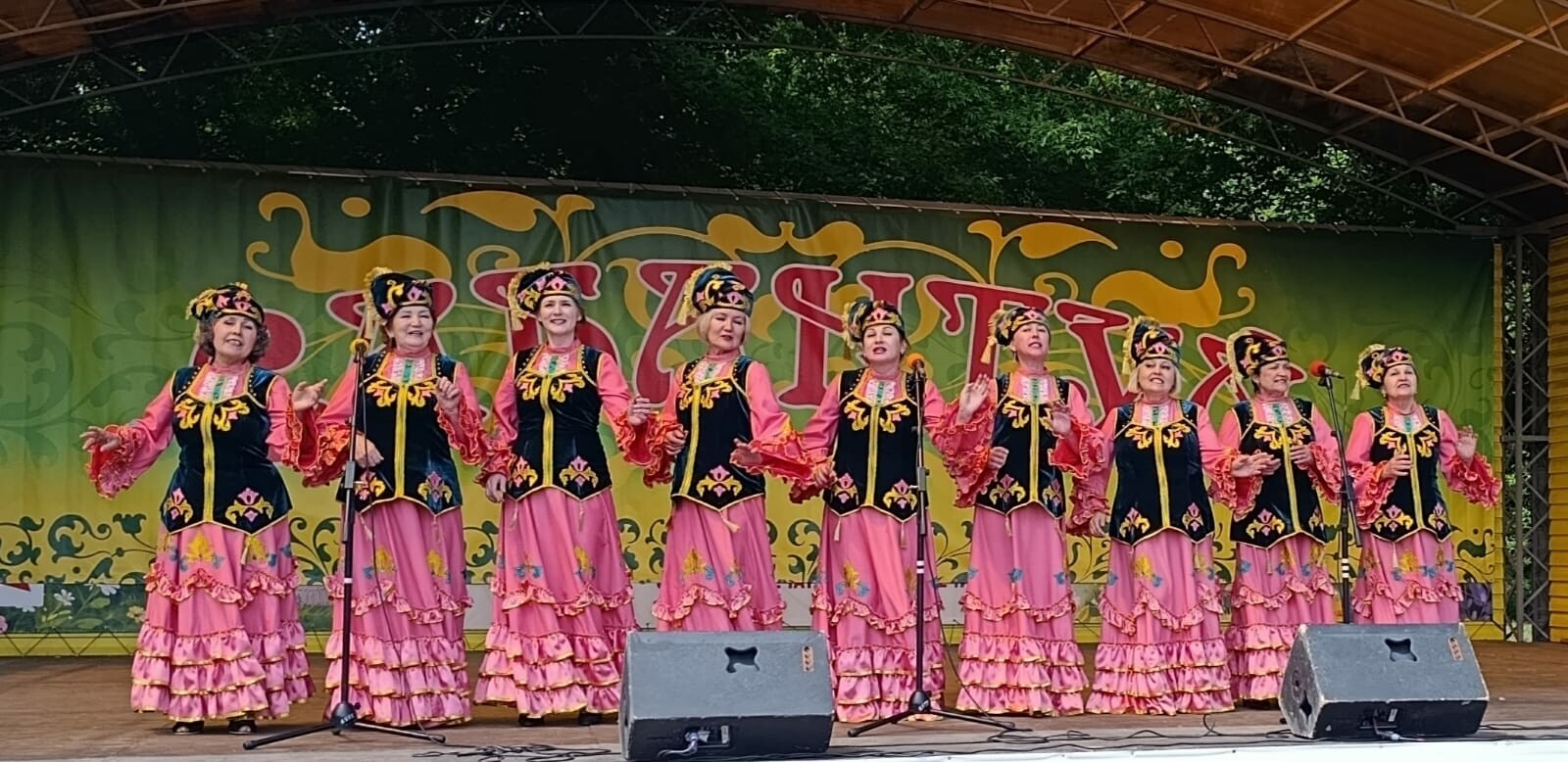
On June 6, 2026, the Tatar national-cultural holiday Sabantuy took place in Orsk. The organizer of the holiday was the society of the local national-cultural Tatar autonomy “Miras” (headed by A. Khayretdinov).
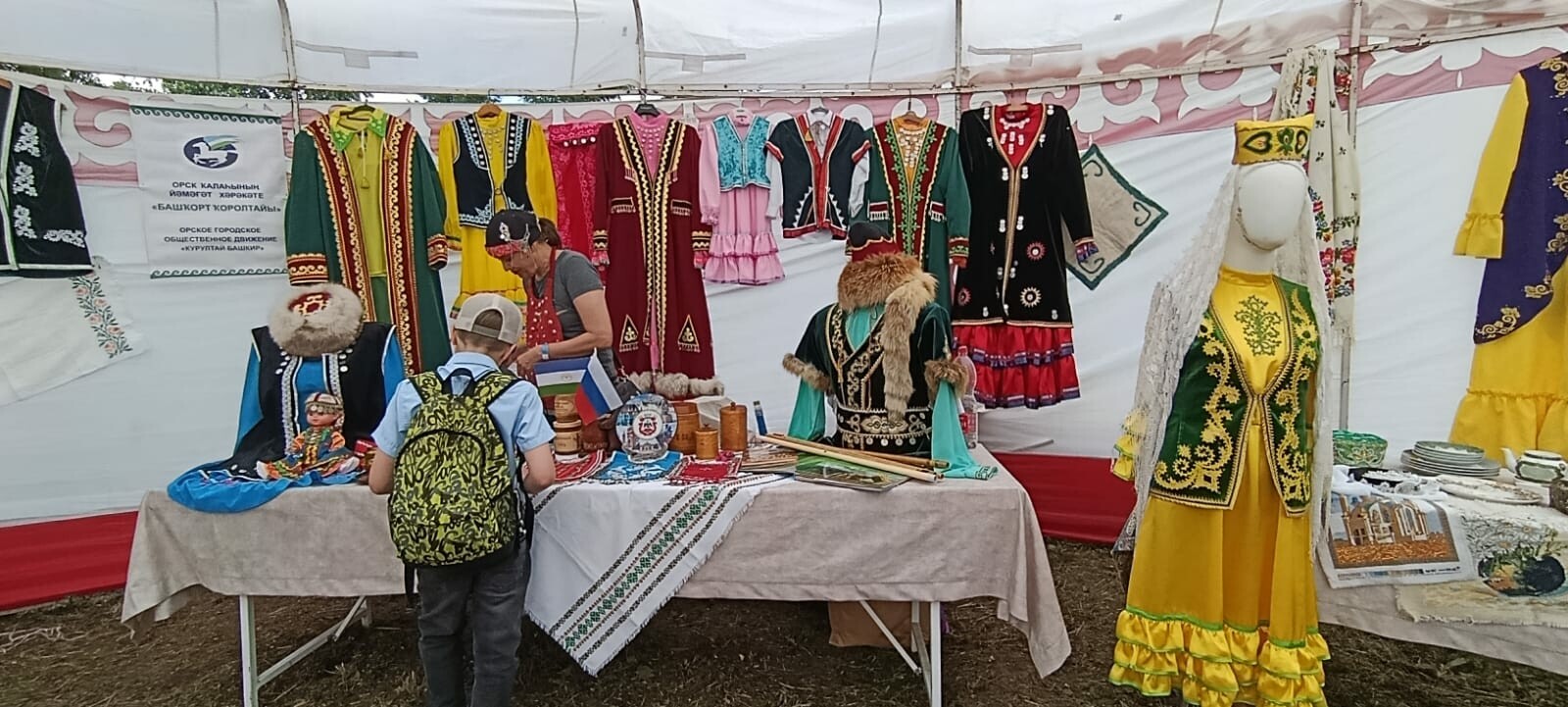
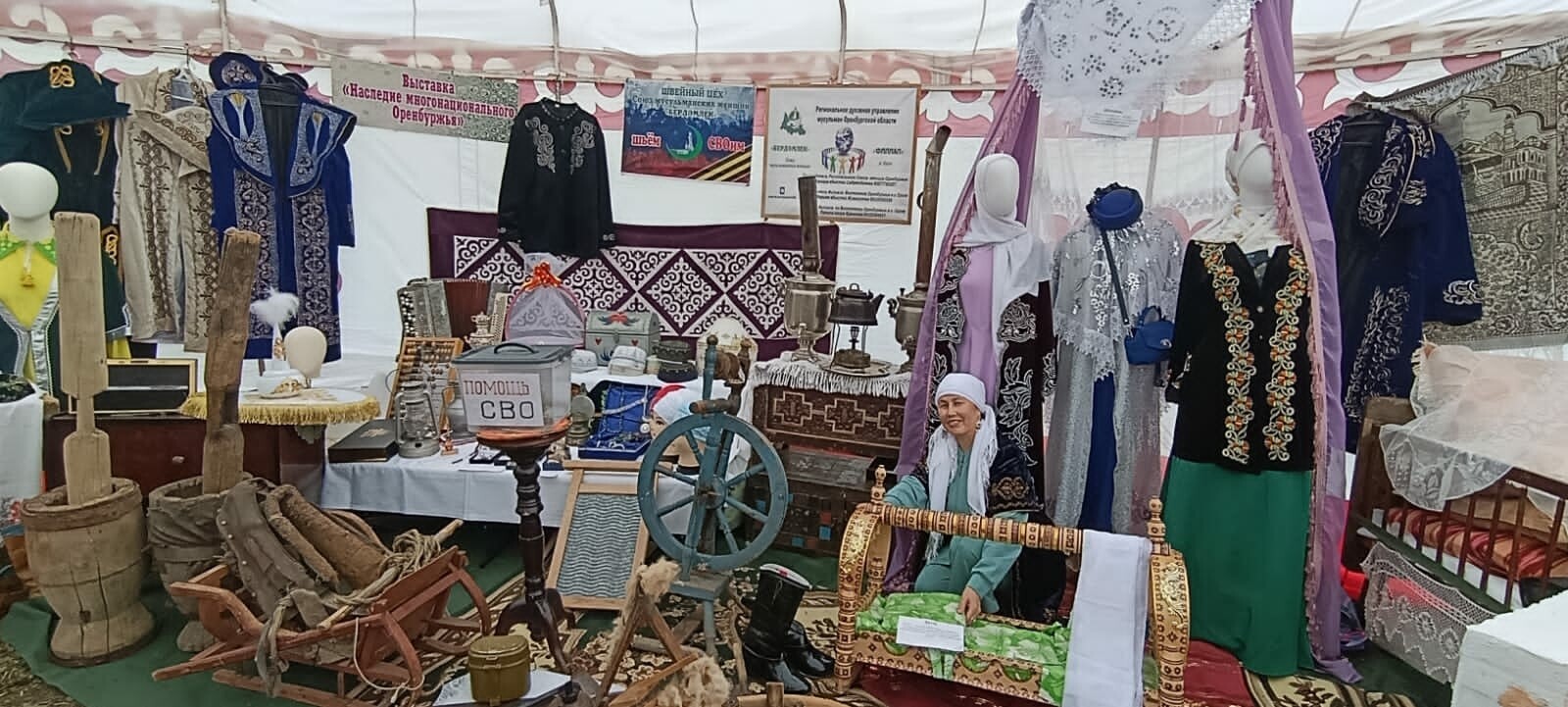
The venue for the holiday was the beautiful Park of Builders, located on the shore of Sandy Lake. Life in the park began bustling from the morning: tents and yurts were set up, exhibitions of traditional household items were arranged, various entertainment areas, craft exhibitions, and venues for master classes and fairs were established.
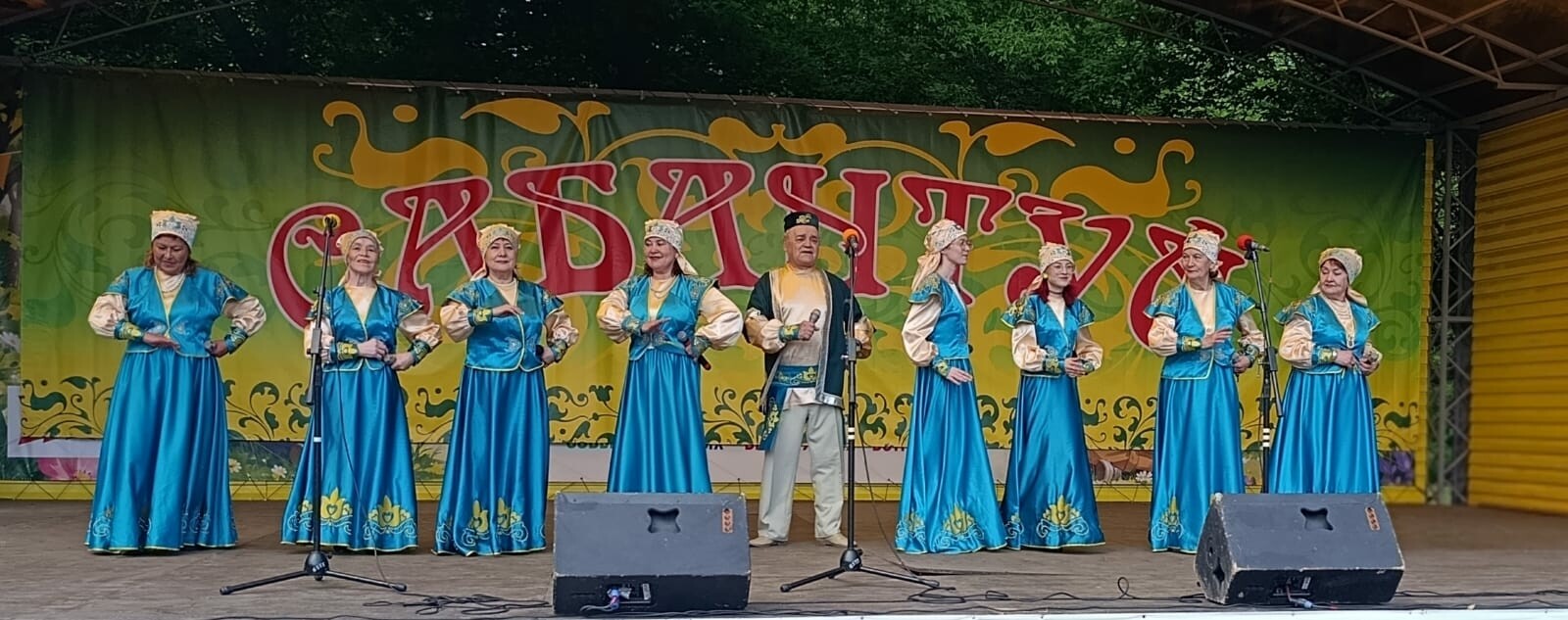
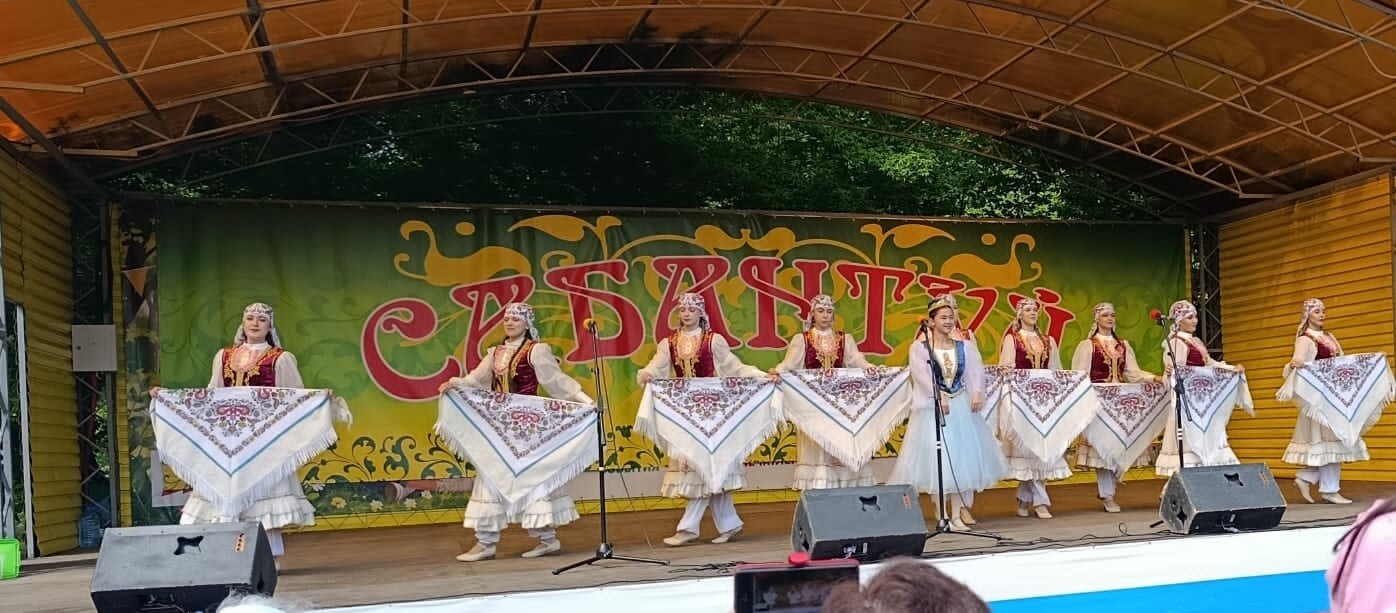
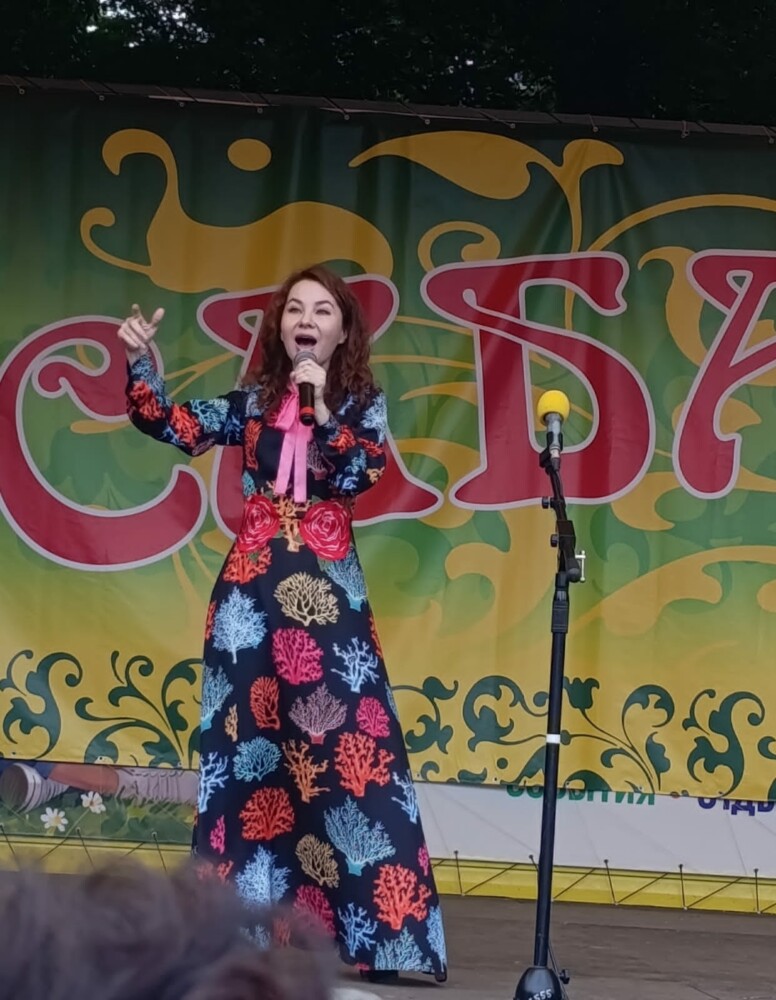
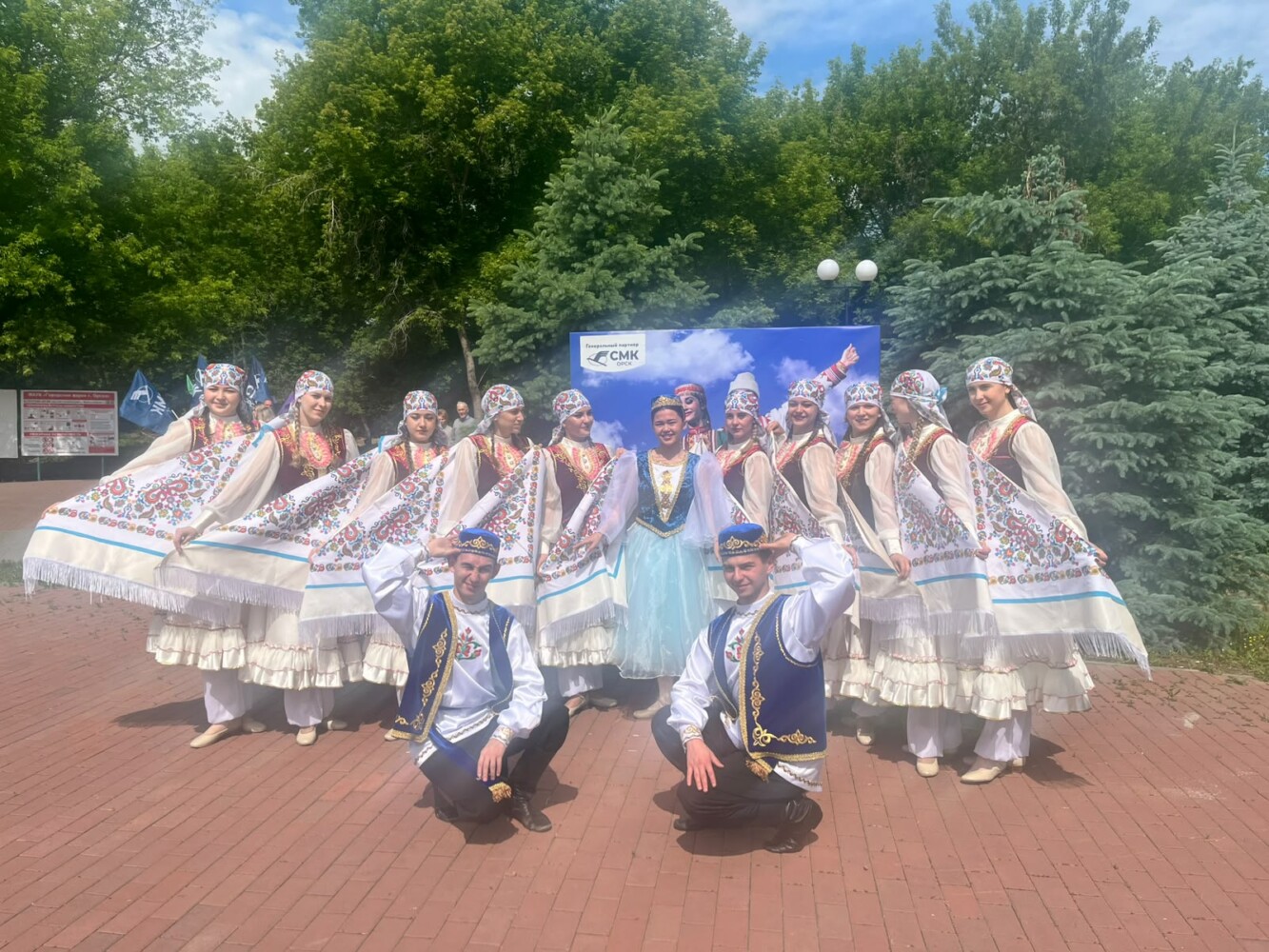
Exactly at 11:00 AM, the grand opening of the holiday took place. After welcoming speeches from representatives of the local authorities, honored artists of the Republic of Tatarstan, Chulpan Yusupova and Alfiya khanym, who had arrived from Kazan, read out a greeting from Rais of the Republic of Tatarstan R. N. Minnikhanov. A concert program took place on the main stage, and throughout the day, numerous activity zones with entertainment operated for guests in various areas. National sports competitions were held: the national Tatar belt wrestling competition “kөrәsh,” sports relays, tug-of-war, folk games, and other contests accompanied by a team of animators.
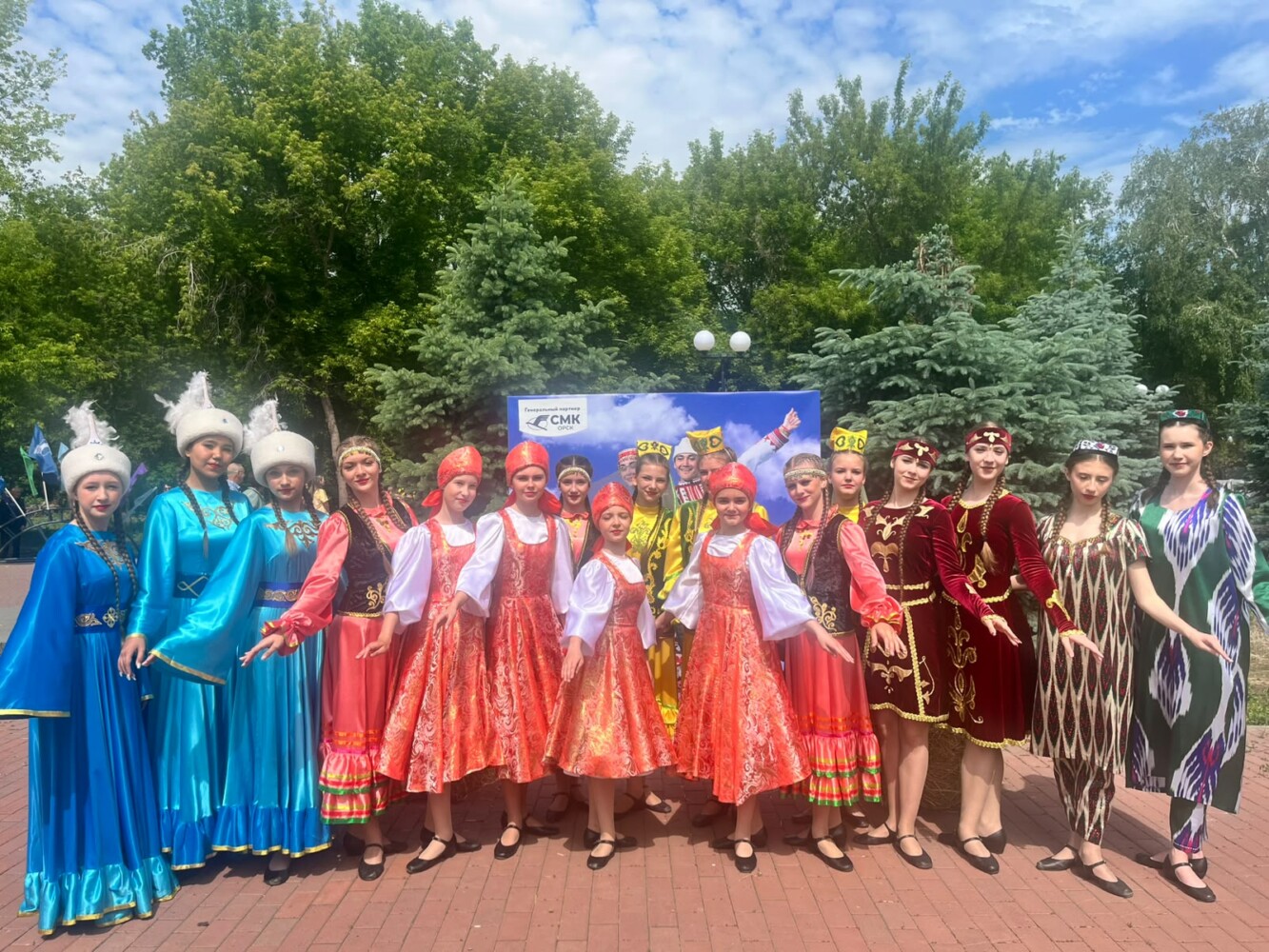
The concert program featured various Tatar, Bashkir, Kazakh, and Russian folklore ensembles from Orenburg Oblast as well as honored artists of Tatarstan. I was especially pleased to watch the performance of fellow countrymen — the vocal group “Laysan” from the village of Saraktash (led by Marat Khalitov).
Many people lingered for a long time near the book exhibition of Tatar books, organized by the Central City Library named after M. Gorky in Novotroitsk. They also held a quiz on the history of the Tatar people, in which I gladly participated, and for that I received an interesting booklet entitled “Tatars — an Integral Part of Multinational Russia and the Multinational World.” In addition to facts about famous Tatars of Orenburg Oblast, the booklet included a list of books on the history of the Tatar people available in their library.
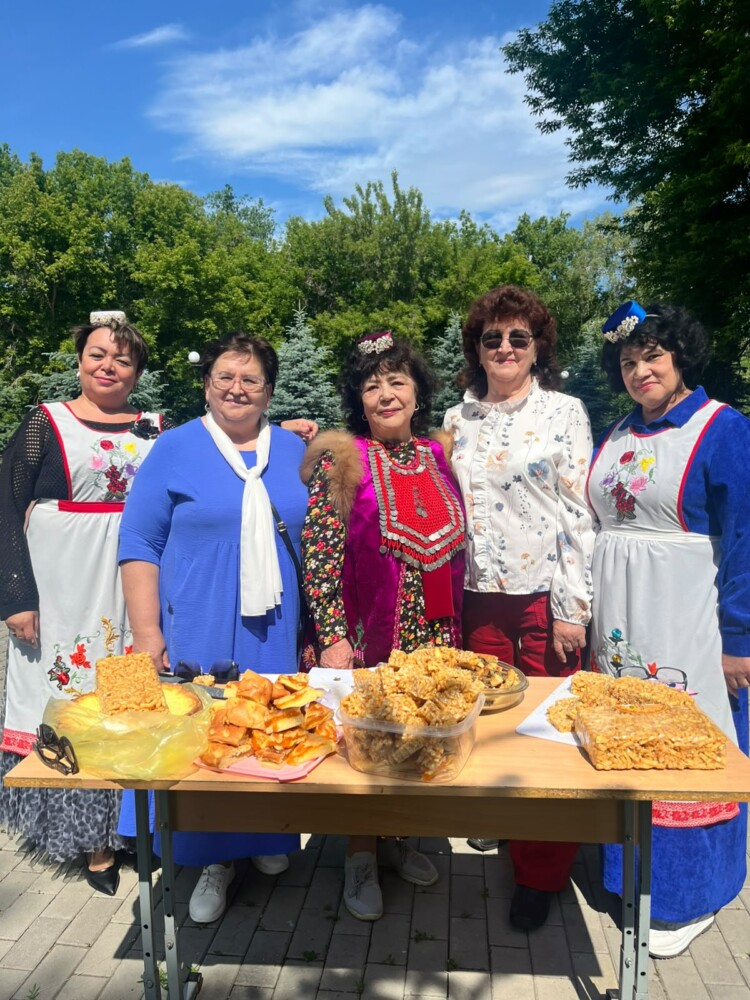
Tatars who had arrived from Aktobe sold women’s and men’s headdresses — kalpaks and tubeteikas, scarves and headscarves with traditional Tatar patterns, and other items. There was brisk trade in chak-chak and other national confectionery products at stalls from Saraktash and Orenburg.
Members of the “Miras” autonomy treated guests of the holiday to dishes of national cuisine — өchpochmak (triangular pies), kystybai (flatbread with filling), chak-chak, pilaf, kosh tele (rosettes / brushwood), and the queen of national cuisine — bәlesh (rich pies).
The holiday was a success! On that day, some showcased their skills and abilities, while many city residents and guests were able to enjoy an interesting and educational family outing, meet with relatives and friends.
— Almira Omarova.